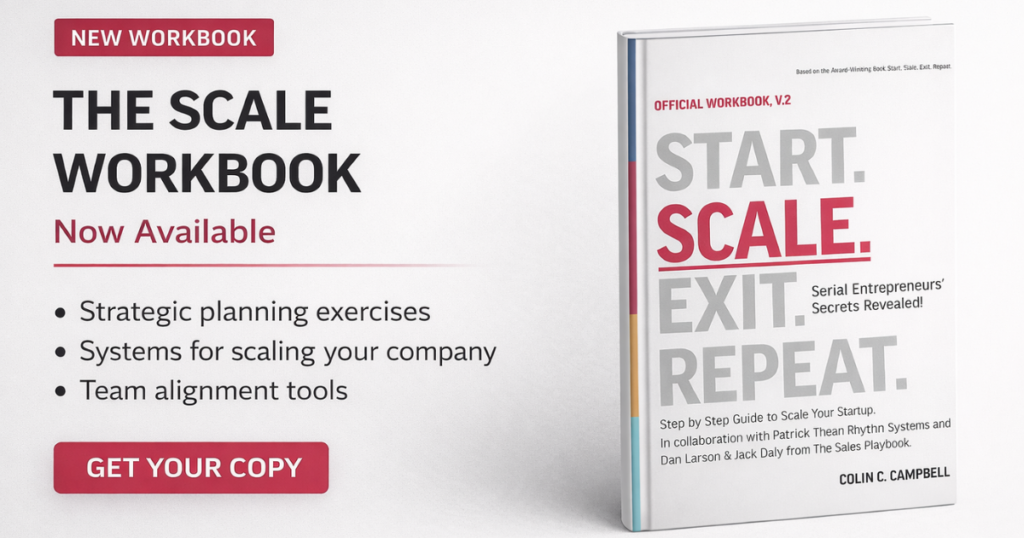



The journey from starting a business to scaling it is as much about mindset as it is about strategy. When you’re in the startup phase, it’s all about you—the founder. Your instincts, energy, and relentless drive are the lifeblood of the venture. Every decision, from product ideation to making the first sale, hinges on your vision. In this phase, success often depends on your ability to rally a community of supporters, mentors, and early adopters. Tools like incubators, SCORE mentorship, and customer-funded models can significantly boost your chances of success.
Scaling isn’t just about doing more; it’s about doing better—hiring leaders with experience at the next level, establishing processes to eliminate repeated mistakes, and shifting your role from doer to coach.
But as your business grows, the game changes. Scaling requires a mindset shift—from founder-driven to system-driven operations. What worked in the startup phase won’t necessarily work in scale mode. Here, it’s about building strong teams, delegating responsibilities (not just tasks), and implementing robust systems to manage growth. Scaling isn’t just about doing more; it’s about doing better—hiring leaders with experience at the next level, establishing processes to eliminate repeated mistakes, and shifting your role from doer to coach.
Another critical aspect of scaling is rethinking your story. The scrappy startup narrative that resonates with early adopters needs to evolve into a compelling value proposition that attracts new markets and stakeholders. And then there’s financing. While venture capital might seem glamorous, it’s not always the best path. Many successful companies self-finance or leverage customer-funded models. For those ready to accelerate, strategic investments, like private placements, can provide the fuel needed without losing focus on long-term stability.
Ultimately, the transition from startup to scale is a mental game. It’s about letting go of the belief that you can—and should—do it all yourself. Instead, it’s about empowering others, trusting systems, and embracing a new role as a leader. By adapting your mindset, you give your business the foundation it needs to not just grow, but thrive.