

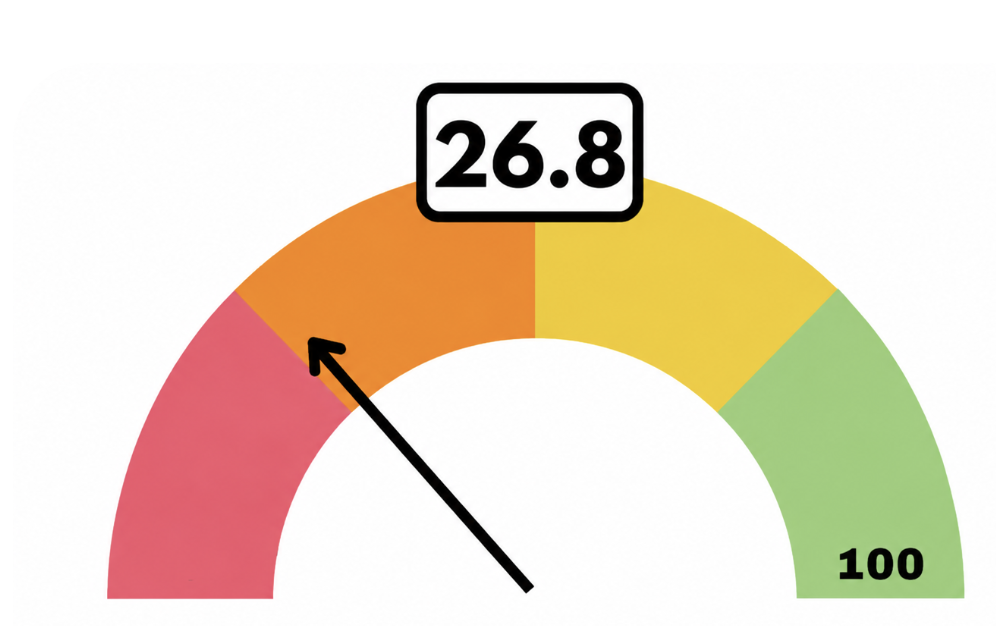

The Startup Club Time to Sell Index (TTSI) has rebounded to 26.8 after falling to 16.8 in April amid concerns surrounding global uncertainty, geopolitical tensions, and the prospect of higher interest rates for longer.
The recovery has been surprisingly swift.
While many investors entered 2026 expecting continued volatility, sentiment has improved dramatically over the past several months. Much of that optimism has been fueled by growing anticipation surrounding the next generation of mega technology IPOs and the continued strength of the artificial intelligence sector.
Investors are closely watching companies such as OpenAI, Anthropic, and SpaceX, all of which have the potential to become some of the most significant public offerings of the decade. Whether these companies ultimately come to market this year or next, the prospect of their eventual public listings has helped restore confidence throughout the technology ecosystem.
Why does this matter to founders?
Because liquidity starts at the top.
When public markets are active and investors are confident, capital flows through the entire startup ecosystem. Public companies become more aggressive acquirers. Private equity firms gain additional liquidity and redeploy capital into new opportunities. Venture capital firms generate returns and raise larger funds to invest in the next generation of startups.
As liquidity increases, valuations often follow.
The Startup Club Time to Sell Index was created to measure these shifts in market sentiment and liquidity. Based on public listing activity, the TTSI provides founders with a simple way to gauge whether the market favors buyers or sellers.
At 26.8, the index remains firmly in buyer’s market territory. However, it is a significant improvement from the lows experienced in 2022 and a substantial recovery from April’s reading of 16.8.
The market is not yet signaling that founders should rush to sell. A true seller’s market would likely require a TTSI above 50. Nevertheless, the trend is encouraging.
From my own experience, timing can have an enormous impact on the value of a company. After spending a decade building a business to more than $180 million in value, I witnessed firsthand how quickly a market downturn can erase opportunity when the dot-com bubble burst.
That lesson ultimately inspired the creation of the TTSI.
Today, the data suggests we are no longer at the bottom of the cycle. The rebound in public listings, combined with renewed enthusiasm surrounding AI and large technology offerings, points to improving conditions for founders, investors, and acquirers alike.
The recovery is real.
The question now is whether the next wave of AI-driven public offerings can sustain the momentum and push the market closer to a true seller’s environment.