

The most valuable skill in the AI age may not be coding, prompting, or automation.
It may be learning how to learn.
Technology is evolving faster than traditional education or corporate training can keep up. The specific tools entrepreneurs use today may look completely different a year from now. Founders who depend only on what they already know risk being left behind.
In this episode of The Complete Entrepreneur, Colin C. Campbell and Michael Gilmour discuss why entrepreneurs must develop a disciplined approach to learning, adapt to unfamiliar challenges, and continually expand their own capabilities.
“My business will only grow as far as I personally can grow.”
Your Business Grows When You Grow
Every growing company eventually encounters a new constraint.
In the early stages, the challenge may be developing the product or finding the first customers. Later, it may be hiring employees, managing cash flow, building repeatable systems, leading managers, or expanding into new markets.
The skills that help a founder launch a company are not always the same skills required to scale it.
That is why an entrepreneur can eventually become the biggest limitation on the business. If the founder stops learning, the company often stops growing.
As Michael Gilmour explains, your business will only grow as far as you are personally prepared to grow. Leading a larger organization requires new knowledge, better communication, stronger judgment, and a willingness to change the way you operate.
Founders must learn faster than the problems around them are changing.
Make Learning Part of the Work
Learning should not be something entrepreneurs do only when they have spare time.
It should be part of the job.
A practical starting point is to dedicate at least 30 minutes each day to deliberate learning. That might include reading a book, listening to a podcast, watching a tutorial, studying a competitor, speaking with an experienced advisor, or experimenting with a new AI tool.
The goal is not simply to consume more information. It is to turn useful information into action.
After each learning session, identify two or three ideas you can apply. Test one in your business. Evaluate the result. Keep what works and revise what does not.
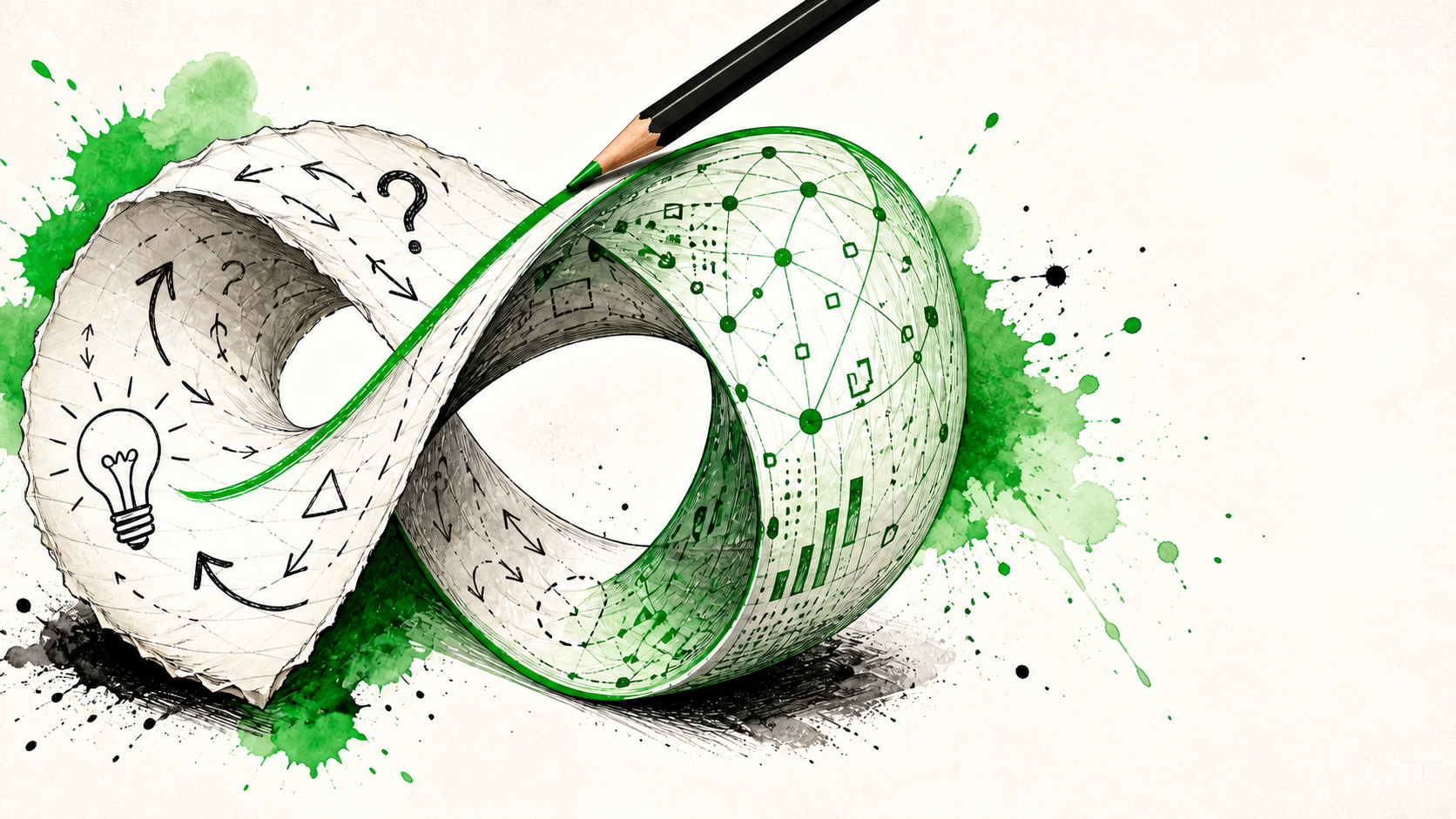
That cycle turns passive knowledge into practical experience:
- Learn something new.
- Apply it to a real problem.
- Review the outcome.
- Improve your approach.
- Repeat.
Founders do not need to master every subject before taking action. They need to learn enough to make the next informed decision.
Curiosity Is a Competitive Advantage
Learning begins with accepting that you do not have every answer.
For many entrepreneurs, that is difficult. Founders are expected to make decisions, provide direction, and project confidence. That pressure can make it tempting to pretend to understand something rather than ask for help.
But asking questions is not a sign of weakness. It is evidence that you are serious about solving the problem.
Curious founders seek out people who know more than they do. They listen to customers, challenge their assumptions, and stay open to information that contradicts their original plan.
They also hire curious people.
A company that encourages questions, experimentation, and honest feedback will usually adapt faster than one where employees are afraid to admit what they do not know.
The leader sets that tone. When founders demonstrate that learning is expected, the entire organization becomes more willing to improve.
AI Makes Learning Faster
AI has dramatically reduced the friction involved in learning unfamiliar subjects.
A founder can use AI to explain a technical concept, summarize a large amount of information, compare business models, analyze customer feedback, build an early prototype, or identify weaknesses in a plan.
It can act as a research assistant, tutor, brainstorming partner, or first-pass analyst.
This does not mean founders should blindly trust everything an AI tool produces. AI can misunderstand context, produce inaccurate information, and present weak assumptions with confidence.
The entrepreneur still needs to question the output, verify important facts, and apply real-world judgment.
Used correctly, AI does not eliminate the learning process. It accelerates it.
It allows entrepreneurs to move into unfamiliar areas more quickly, ask better questions, and test ideas without spending years mastering every technical detail first.
Three Skills Founders Still Need
Tools will continue to improve, but founders still need to develop three essential human capabilities:
1. Problem-Solving
Entrepreneurs must identify the real problem, separate symptoms from causes, and determine which challenges are worth solving.
AI can suggest options. The founder must decide which problem matters.
2. Project Management
Ideas only create value when they are turned into action.
Founders need to set priorities, organize people and resources, establish deadlines, and ensure that projects are completed. AI can support the process, but it cannot take responsibility for the outcome.
3. Communication
A founder must be able to explain the vision, align the team, listen to customers, attract partners, and persuade people to take action.
The ability to communicate clearly becomes even more important as a company grows.
You Cannot Outsource the Entrepreneur
AI can help write, research, design, analyze, and automate. It can make an individual founder dramatically more productive.
But it cannot supply the founder’s original vision, lived experience, judgment, accountability, or creative impulse.
As Colin explains, you can never outsource the entrepreneur.
The founder must still choose the direction, decide which opportunities to pursue, and take responsibility for the result. AI can help you execute the work, but it cannot determine what is worth building or why it should exist.
The tools will continue to change.
The founders who succeed will not necessarily be the ones who know the most today. They will be the ones who remain curious, learn quickly, apply what they discover, and continually adapt their businesses to what comes next.