

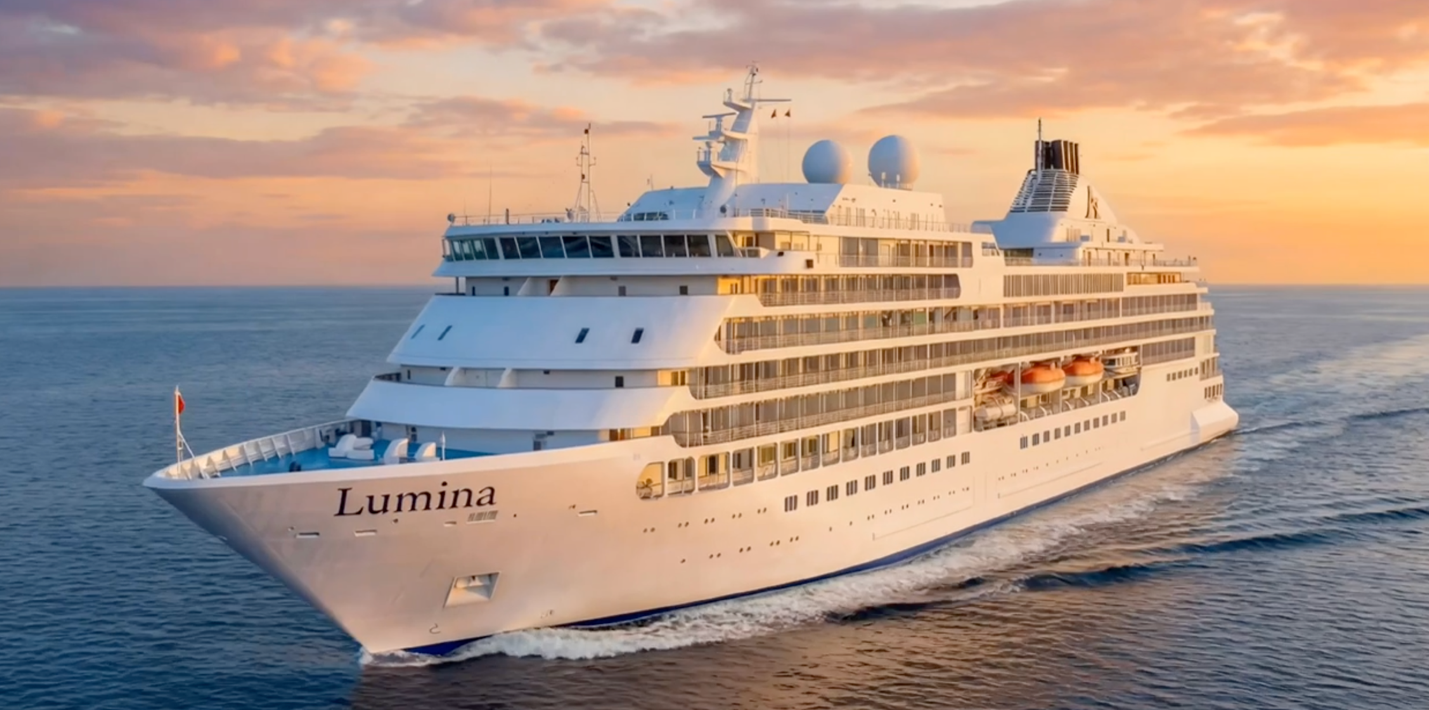

Ever since I hosted a podcast from the North Atlantic aboard a Royal Caribbean cruise ship, I’ve been thinking seriously about the possibility of living at sea. Thanks to Elon Musk’s high-speed satellite internet, that idea is now actually viable.
I can give up a lot to make the move, but not the internet.
So, when the opportunity came to buy a unit on a cruise ship, my wife and I decided to go for it. Unfortunately, our first attempt never made it to market. Although we did receive a refund, we still lost money on the venture.
That experience shifted our mindset. When we revisited the idea, we started thinking about it not just as a lifestyle decision, but also as an investment. Don’t get me wrong, the primary appeal of living at sea is the lifestyle and community. It’s completely different from a traditional cruise. There are no crowds, and you get to really know the people on board.
We explored Villa Vie Residences, a boutique expedition ship, and while we loved the community and pricing, with units starting as low as $129,000, it didn’t quite fit our needs. We wanted a larger unit in a more luxurious setting.
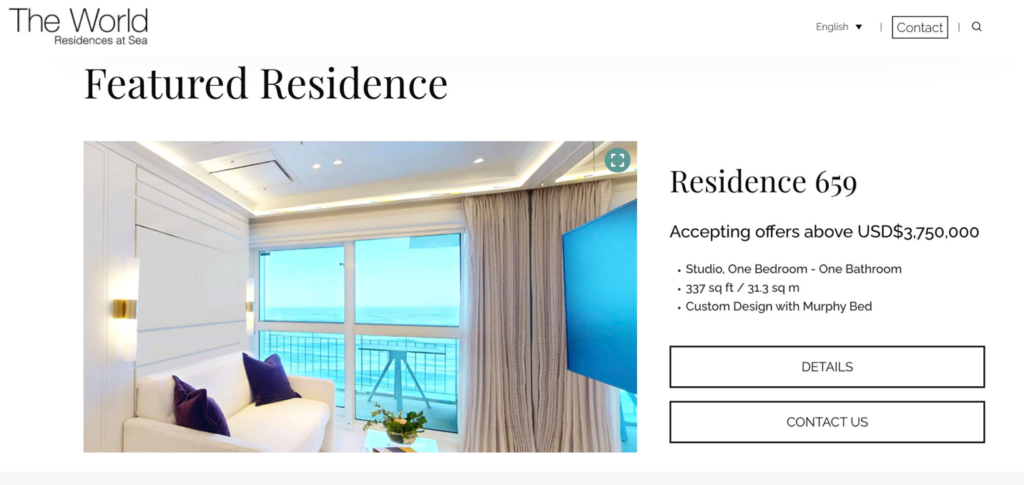
Next, we looked at The World, a highly exclusive luxury residential ship. I know several people who live there, and it’s a fantastic experience. However, my impression is that it caters primarily to well-off retirees. We were looking for a more diverse community, one that includes families, entrepreneurs, digital nomads, professionals, and retirees. I recently posted on our Live at Sea Facebook Group about a 337 square foot unit for $3,750,000 – definitely above our budget.
Another drawback of The World is the lack of an active rental program. When you’re not on board, you’re still responsible for substantial maintenance fees. That didn’t work for us.
We also operate an Airbnb business in South Florida, including a beach house on the west coast. Quite frankly, we wouldn’t be able to afford that property without renting it when we’re not there. We do the same with a cottage in Canada and plan to rent out our Fort Lauderdale home while we’re at sea.
The sharing economy has made it possible for us to travel and own properties we otherwise couldn’t afford.
So when it came to buying a cruise condo, rental flexibility was essential. Cruise condo fees don’t stop when you’re not on board. If you’re not using the unit, you’re essentially burning money (or actually burning diesel).
That’s what led us to Avora Lumina.
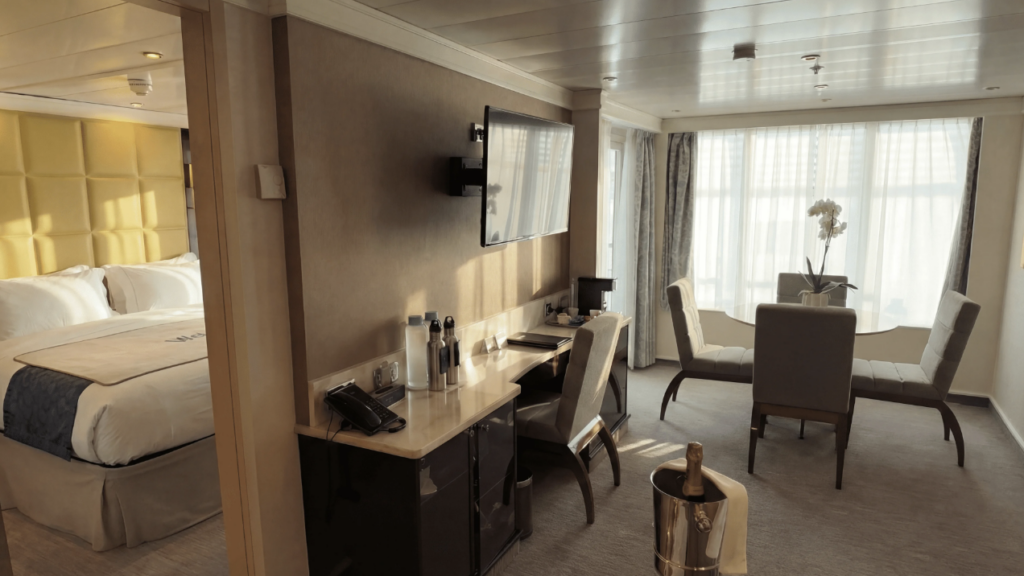
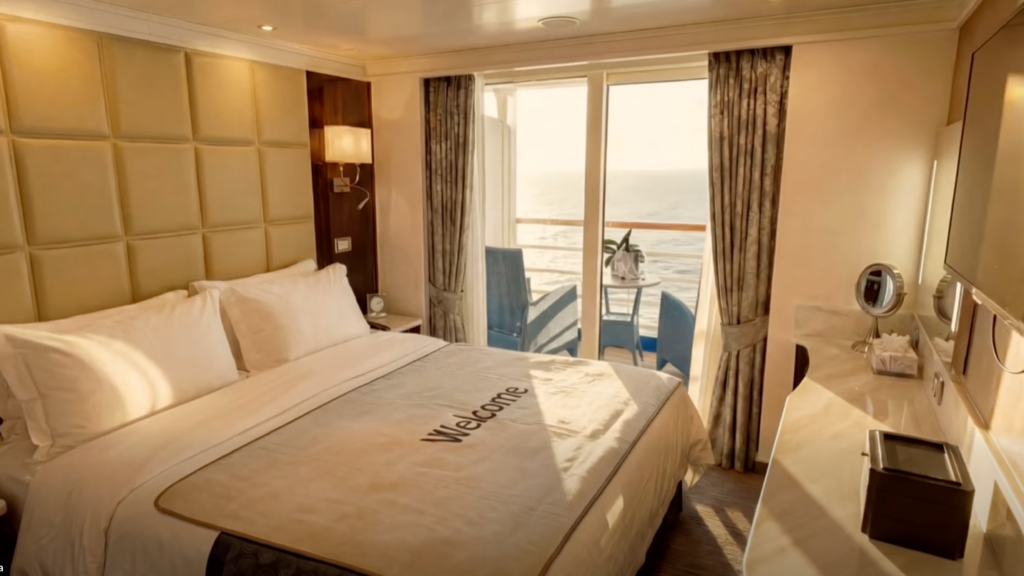
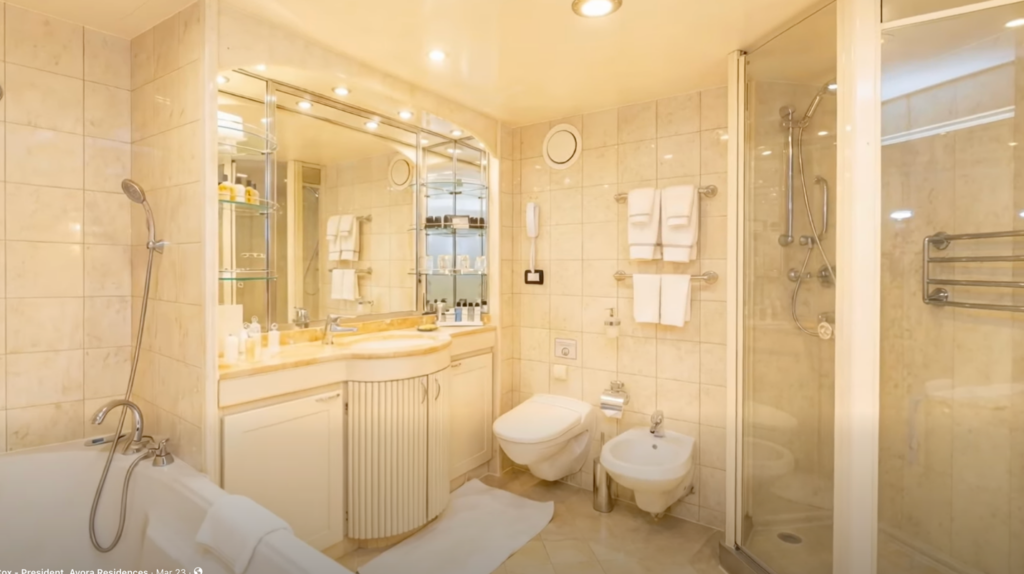
Avora Lumina launched in February 2026 and is set to sail in January 2028. The company has secured a deal with NCL’s Regent Cruises to acquire the Navigator. As former Regent customers, we were drawn to the ultra-luxury experience, personalized service, exceptional cuisine, and lack of crowds. Prices start as low as $219,000 for a decked out 305 square foot suite (under a 5-year plan) with a $403 dollar per night maintenance fee for double occupancy.
https://www.facebook.com/reel/1752751309020109
We did extensive research, including interviewing the founders in an AMA on Startup Club. They were transparent about the structure of the deal.
Here are the key reasons we decided to buy:
1) The Community
The buyer profile aligns with what we’re looking for: families, entrepreneurs, professionals, and retirees. Several people we already know and like are purchasing units on the ship.
2) Investment Potential
While this wasn’t our primary motivation, the unit is investable. The company openly supports rentals, recognizing that many owners will treat these as second homes.
There are approximately $600 per day in maintenance fees, so covering those costs is critical. Comparable units to the one we acquired currently rent through Regent Seven Seas for between $2,000 and $3,000 per night. Even at half that rate, we would comfortably recover our fees.
Our assumption is that renting the unit for about six months per year could offset the cost of using it for the other six months. Nothing is guaranteed, but based on our experience operating luxury rentals, we feel confident in the demand.
3) The Unit Layout
We chose the 501-square-foot Solstice Suite. It includes a balcony, dining area, separate bedroom, walk-in closet, full bath, and living space. Realistically, the entire ship becomes your living room.
4) Ship Longevity and Maintenance
The ship has been professionally maintained, which matters. Knowing it was operated and maintained by NCL gives us additional confidence in its condition and longevity.
While the company guarantees 15 years, well-maintained ships can last significantly longer. Proper maintenance is everything when it comes to extending the life of a vessel.
5) Recent Upgrades
The ship underwent a $40 million renovation in 2016, modernizing key areas.
6) Ongoing Improvements and Work Environment
The company is actively upgrading the ship. They’ve recently announced additions like onboard toys including a submarine and jet skis, which adds to the overall experience.
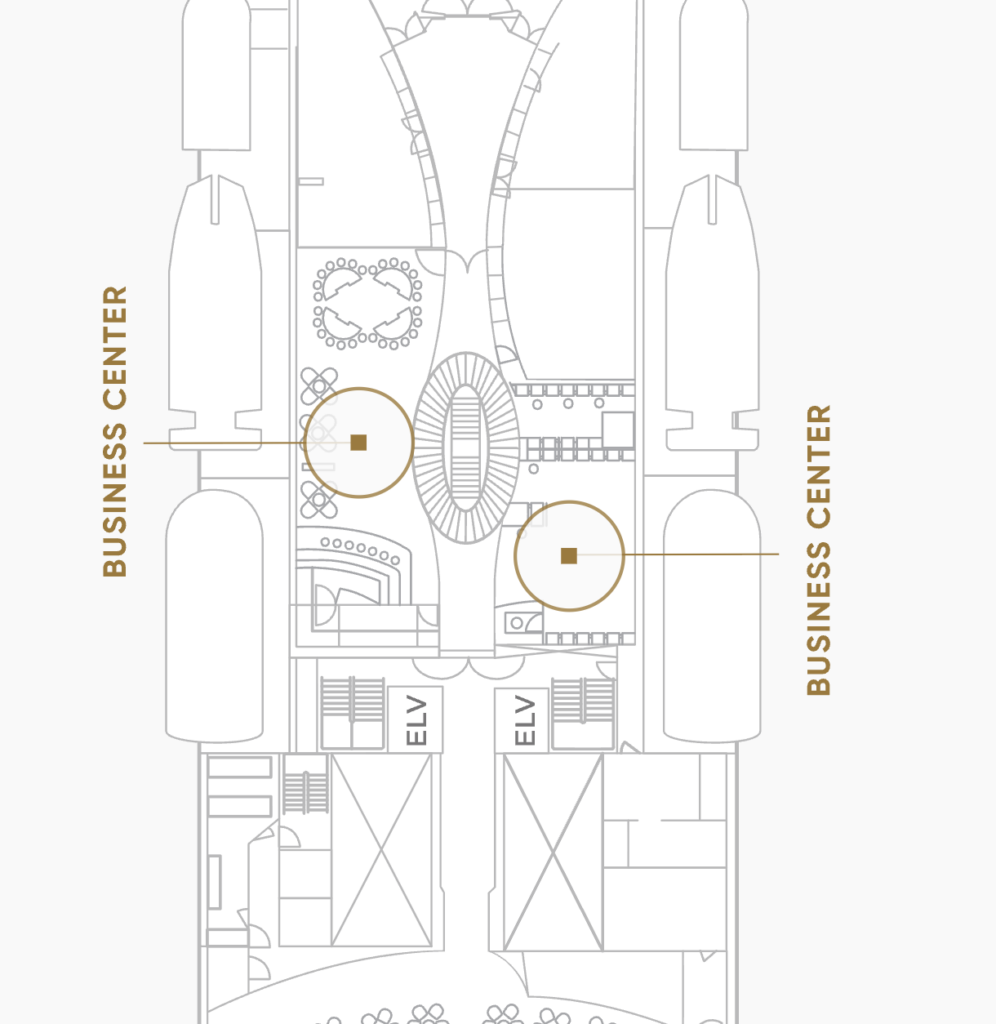
They are also converting the casino into dedicated workspaces. While my wife would love for me to retire, I have no interest in stopping work completely. What appeals to me is the ability to blend work, travel, and daily life in a more balanced way.
7) Lifestyle Freedom
I’ve traveled globally for decades, and I’ve grown to dislike airplane travel and hotel rooms. The idea of constantly packing, unpacking, and living out of temporary spaces has lost its appeal.
Living at sea flips that model. You stay in one place while the world comes to you.
8) Early Pricing Advantage
We secured early-stage pricing. As inventory decreases, prices will likely rise. Waiting was an option, but we didn’t want to risk being priced out.
Living at sea might sound radical. But there are now several viable options available. At the end of the day, life is short. One well known philosopher (Gandalf) says “All we have to decide is what to do with the time that is left to us.”