

Entrepreneurship is not just building. It is losing, recalibrating, and getting back up faster than before. In this Startup Club session, founders unpacked one of the most universal but least discussed parts of the journey: disappointment. Deals fall apart. Opportunities disappear at the last second. Wins turn into losses overnight. And no matter how experienced you are, it still hits.
“The conversation made something clear: you cannot eliminate the emotional impact, but you can control how you handle it.”
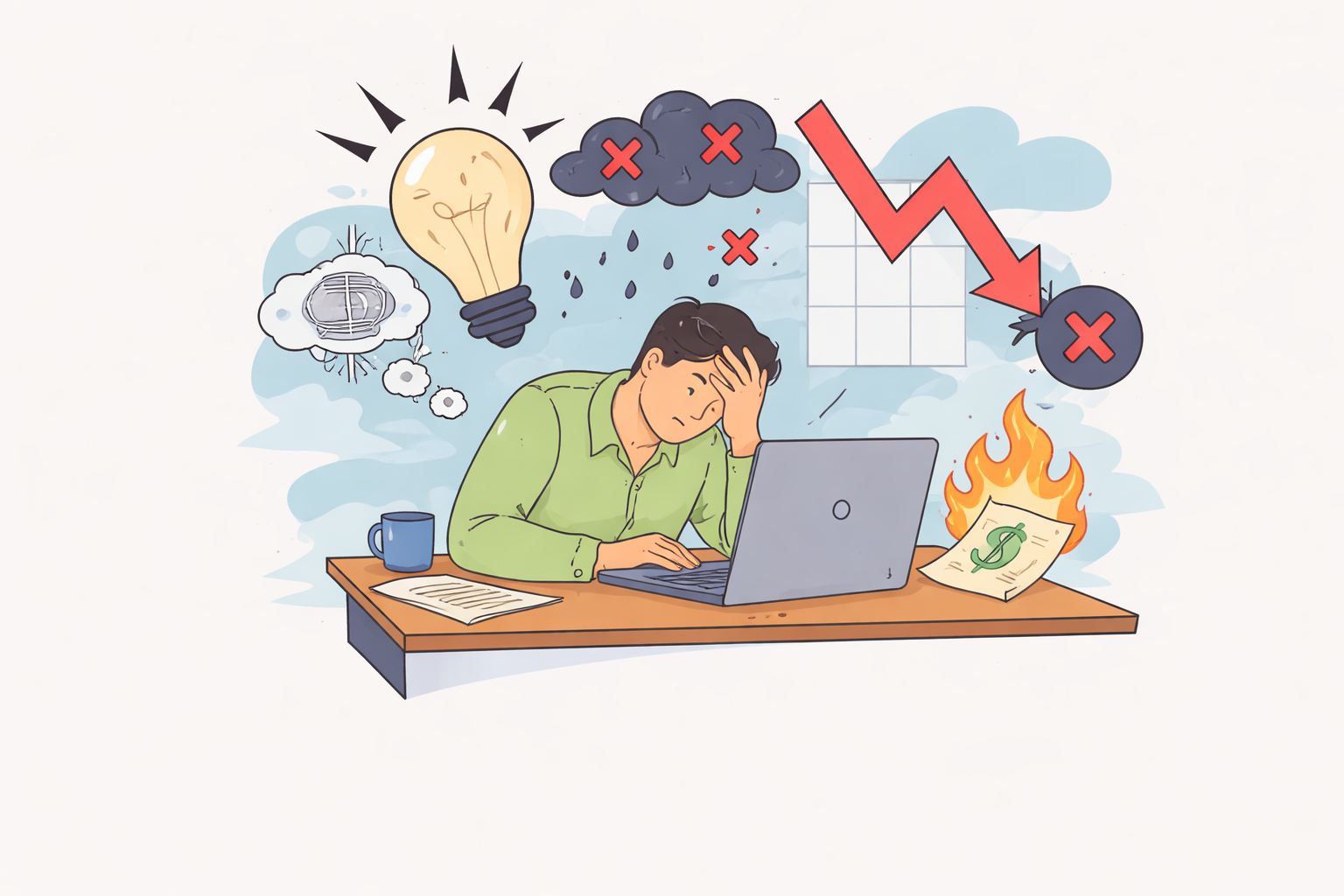
What stood out most is how normal this is. A seven-figure deal collapses. A dream property gets taken at the last minute. A project you believed in doesn’t land. These moments are not outliers. They are built into the system. The mistake isn’t experiencing disappointment. The mistake is thinking you won’t. Entrepreneurs operate in uncertainty, and uncertainty guarantees emotional swings. The highs are real, but so are the drops.
The conversation made something clear: you cannot eliminate the emotional impact, but you can control how you handle it. The best operators don’t suppress it or let it spill onto their teams. They process it intentionally. Step away. Get perspective. Talk to someone who understands the game. Not just anyone, but someone who has been through it. Because sharing with the wrong person often leads to bad advice, or worse, pressure to quit.
Another pattern emerged around expectations. Many disappointments are self-created. Entrepreneurs tend to overestimate short-term outcomes and underestimate long-term results. You expect the home run. You get a base hit. And instead of recognizing progress, you feel like you failed. That gap between expectation and reality is where frustration lives. The shift is simple but powerful: recalibrate faster. Take the win. Move to the next play.
There is also a leadership layer to this. As a founder, your emotional state doesn’t stay contained. It spreads. Teams feel it. Families feel it. That means you have a responsibility to process disappointment without projecting it. Strong founders don’t pretend everything is fine. But they don’t destabilize the people around them either. They absorb pressure, create stability, and keep moving forward.
At the core, entrepreneurship is a constant cycle of momentum and setback. You go from losing a major deal to landing a major client within days. It can feel chaotic, even irrational. But that is the job. You are not just building a business. You are solving problems, over and over again, in real time.
The founders who last are not the ones who avoid disappointment. They are the ones who expect it, manage it, and keep going anyway.