

Adapted from Chapter 7 of Colin C. Campbell’s Start. Scale. Exit. Repeat.
AI has made it easier than ever to start a business.
You can build a prototype in days. Launch a website in hours. Create marketing campaigns, analyze customer data, automate operations, and test ideas at a fraction of the cost it once took.
But there’s a downside to all that speed.
It has also become easier to keep a bad idea alive.
When the cost of another experiment is low and AI can generate another strategy, feature, campaign, or pivot almost instantly, founders can always convince themselves to give it one more try.
That’s why every startup needs Stage Gates.
What Is a Stage Gate?
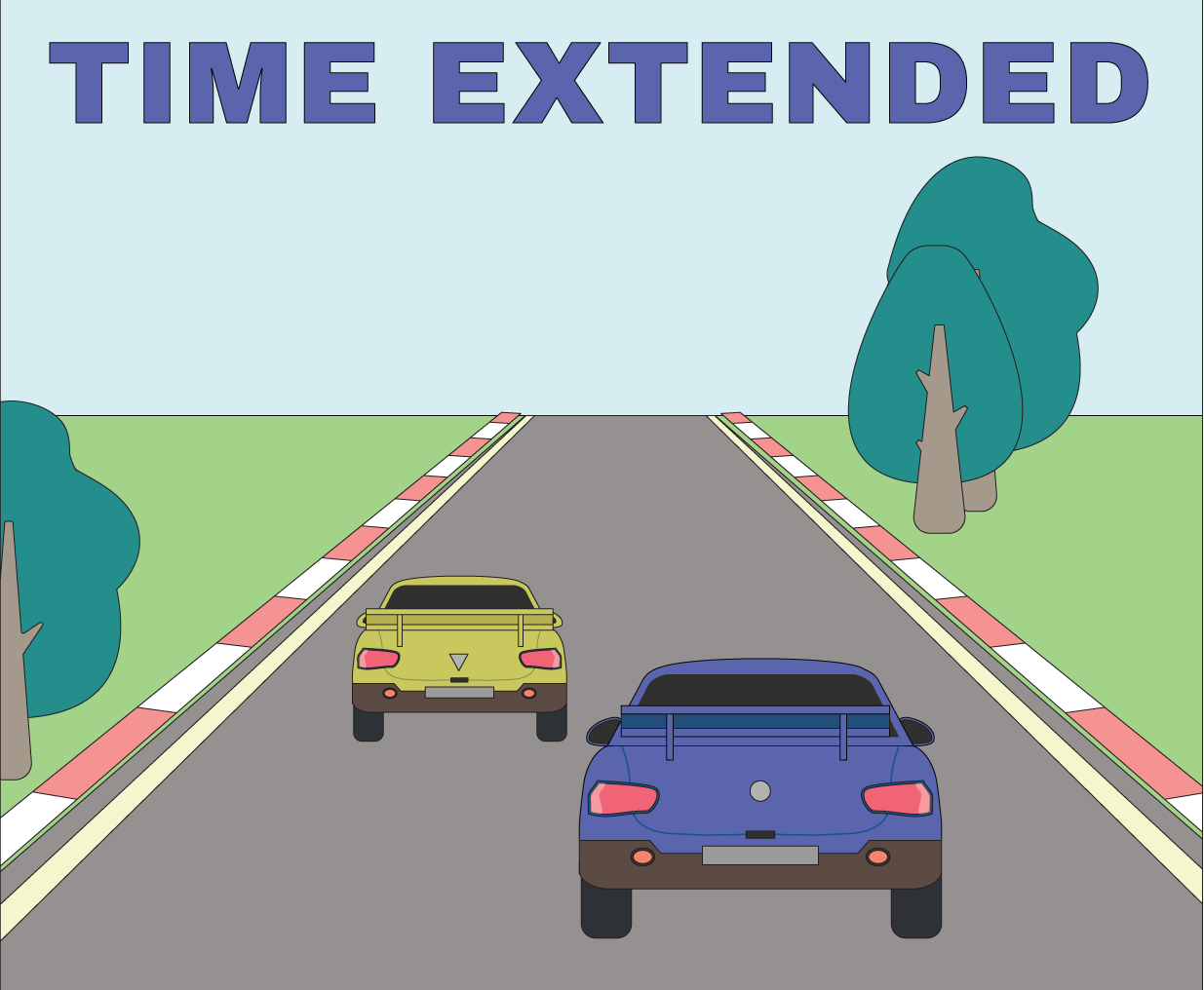
Think about an old racing video game.
You’re racing against the clock, and somewhere ahead is a checkpoint. Reach it before time runs out and you get more time to continue racing.
Miss it and the game is over.
A Stage Gate works the same way in a startup.
It is a predetermined milestone that tells you whether the business has earned the right to keep moving forward.
When we launched GeeksForLess, our first Stage Gate was simple: break even by a certain date.
Once we achieved that, we set another: reach $1 million in profit.
Then another: pay off all our debt.
Each Stage Gate gave us permission to keep pushing forward.
But Stage Gates can also tell you when it’s time to stop.
With another company I launched, Shareholder Blockchain, our first Stage Gate was to have a minimum viable product within four months. We missed it.
Rather than continuing to pour money and time into the company indefinitely, I shut it down.
That’s the other side of Stage Gates.
They define when to keep going, and when to make a difficult decision.
AI Makes Stage Gates More Important, Not Less
AI dramatically compresses the startup cycle.
A founder can now test ideas, create MVPs, analyze markets, produce content, write code, and automate workflows faster than ever before.
That should change your Stage Gates.
If something once reasonably required twelve months and $500,000 to validate, AI might allow you to test the underlying assumptions in three months for a fraction of the cost.
Your Stage Gates should reflect that new reality.
But AI also creates a new trap: activity can look like progress.
You can generate 100 landing pages.
Launch 20 campaigns.
Build 10 product features.
Analyze thousands of customer interactions.
None of that necessarily means you have a viable business.
The question isn’t how much you’re producing.
The question is whether the business is producing the results that justify continuing.
Goals and Stage Gates Aren’t the Same Thing
Companies should have lots of goals.
Increase website traffic by 25%.
Launch three new features.
Book 20 sales calls.
Reduce customer acquisition costs.
Those goals help you operate the business.
A Stage Gate sits above them.
Your Stage Gate might be:
Reach $25,000 in monthly recurring revenue by December 31 while maintaining a customer acquisition cost below $500.
You might miss some individual marketing, product, or sales goals along the way and still reach that Stage Gate.
That’s okay.
Stage Gates help founders maintain perspective.
Instead of asking whether every initiative worked, you ask the bigger question:
Did we prove enough to justify the next stage of the company?
Use AI to Measure the Business, Not Rationalize It
One of the most powerful applications of AI for entrepreneurs is its ability to analyze enormous amounts of information.
Founders can connect data from sales, marketing, customer support, product usage, finance, and operations and identify patterns that previously required teams of analysts.
Use that capability.
Ask:
Are customers actually returning?
Is revenue becoming more predictable?
Is customer acquisition becoming more efficient?
Which features are driving retention?
Are margins improving as we scale?
Where are customers dropping out?
AI can help surface the answers.
But the founder still has to make the decision.
If you establish the Stage Gate before seeing the results, you make it much harder to move the goalposts later.
That matters because entrepreneurs are naturally optimistic. We can almost always find a reason why success is supposedly just around the corner.
Stage Gates force reality into the conversation.
Stage Gates Create Momentum
Jim Collins famously described the flywheel effect in Good to Great.
A giant flywheel is incredibly difficult to move at first. You push and push and barely see movement.
Eventually, momentum builds.
Then suddenly the wheel starts moving faster and faster.
Startups work much the same way.
Your first Stage Gate may simply prove that customers are willing to pay.
The next may prove they will come back.
The next may prove you can acquire them profitably.
Then you may prove the model works in another market.
Each checkpoint creates evidence.
And evidence creates momentum.
AI can accelerate that flywheel, but only if you’re measuring the things that actually matter.
Stage Gates Give Founders Room to Breathe
When you launch a startup, it’s easy to become overwhelmed by the size of the mountain ahead.
Will this become profitable?
Can we compete?
Can we raise money?
Can we build a team?
Can we scale nationally?
Can we survive?
Trying to answer every question on day one is exhausting.
A Stage Gate narrows your focus.
Forget the mountain for a moment.
What’s the next hill?
Maybe your only job for the next 90 days is to get 100 paying customers.
If you hit it, you earn the opportunity to tackle the next problem.
This also protects founders from one of the biggest dangers in today’s AI economy: distraction.
Every week brings another tool, trend, platform, business model, or supposed breakthrough.
You don’t need to chase all of them.
Your Stage Gate tells you what matters right now.
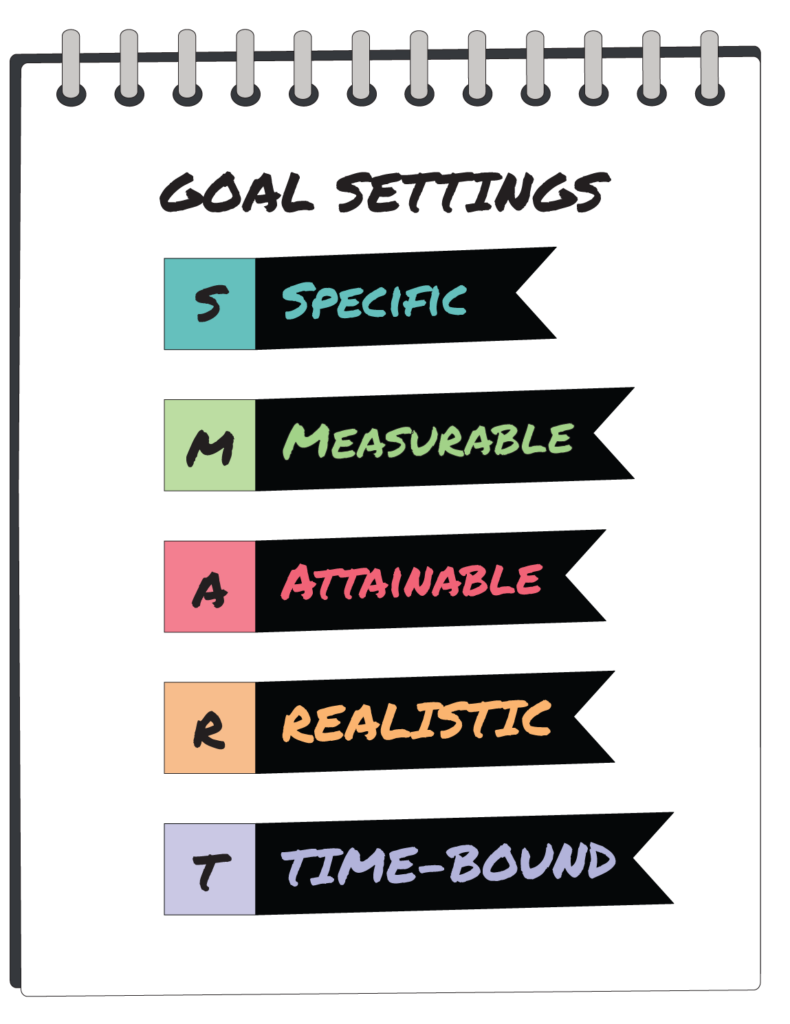
Make Your Stage Gates SMART
A useful Stage Gate should still follow the classic SMART framework:
Specific. Measurable. Achievable. Relevant. Time-bound.
“We want to become a leader in AI-powered accounting” isn’t a Stage Gate.
Neither is “we want to grow internationally.”
Instead:
“Reach $50,000 in monthly recurring revenue with at least 80% customer retention by March 31.”
Now you have something you can evaluate.
You either hit it or you didn’t.
And if you didn’t, you have a decision to make.
Do you continue?
Pivot?
Reduce spending?
Change the product?
Bring in new leadership?
Raise additional capital?
Or shut it down?
The answer isn’t automatically “quit.”
Missing a Stage Gate is a signal that something must change.
Don’t Get Stuck in Start
AI is creating one of the greatest entrepreneurial opportunities we’ve seen in decades.
But easier company creation doesn’t automatically mean more successful companies.
In fact, we may see the opposite.
Thousands of founders can now launch businesses that would never have made it past the idea stage before.
The winners won’t simply be the entrepreneurs who move fastest.
They’ll be the ones who know what they’re trying to prove at every stage.
Set the checkpoint.
Set the deadline.
Measure the results.
Then make the decision.
Because the objective isn’t to keep your startup alive forever.
It’s to prove that it deserves to Scale.